
Traditional seating
- Usually 6:00pm and 8:30pm
- Same table and waitstaff every night
- Predictable routine and personal service
36°51′S 174°46′E — AUCKLAND
Cruise ship dining has evolved from rigid set-seating meals to a flexible, multi-venue experience. Most ships now offer a main dining room, a buffet, casual eateries, and several specialty restaurants. Understanding the difference between included and extra-cost options is key to planning your food budget.
Your cruise fare covers meals in the main dining room, buffet, and often a few casual venues. Specialty restaurants, some cafes, and room service may incur additional charges. Beverages are usually extra unless you have a package. Quality varies by cruise line and ship, but generally exceeds typical banquet food, and many ships now offer flexible dining times so you can eat when it suits you.
41°17′S 174°46′E — WELLINGTON
Most ships offer either traditional set-seating or flexible anytime dining. Traditional dining gives you the same table and waitstaff each night, while flexible dining lets you arrive when you like, though you may wait for a table. Your preference is usually selected at booking or onboard.
Main dining room menus typically change daily, offering a mix of appetizers, soups, salads, mains, and desserts. Quality is generally good, comparable to a decent banquet or hotel restaurant, though not gourmet. Expect a range of options including vegetarian and sometimes regional dishes. Menus often feature a classics section that is always available alongside daily specials, and you can order multiple courses if you wish. Dietary requests can be accommodated with advance notice, but service can be slow during peak times.
45°52′S 170°30′E — DUNEDIN
Specialty restaurants offer a more intimate atmosphere and often higher-quality cuisine than the main dining room. Common options include steakhouses, Italian trattorias, sushi bars, and French bistros. Surcharges typically range from NZ$30 to NZ$80 per person, and reservations are recommended. Cuisine variety depends on ship size and cruise line, and some lines include a few specialty venues in the fare or offer package deals. Dress codes may be slightly more formal than the main dining room, and portion sizes are often larger with more personalized service.
For many travelers, a specialty dinner is a highlight of the cruise, offering a break from the main dining room routine. If you are a food enthusiast or celebrating a special occasion, it is often worth the extra cost. However, the included dining is usually satisfying enough for most passengers. Consider trying one specialty restaurant per cruise, and remember that lunch at specialty venues is often cheaper than dinner. Read recent reviews for your specific ship before booking.
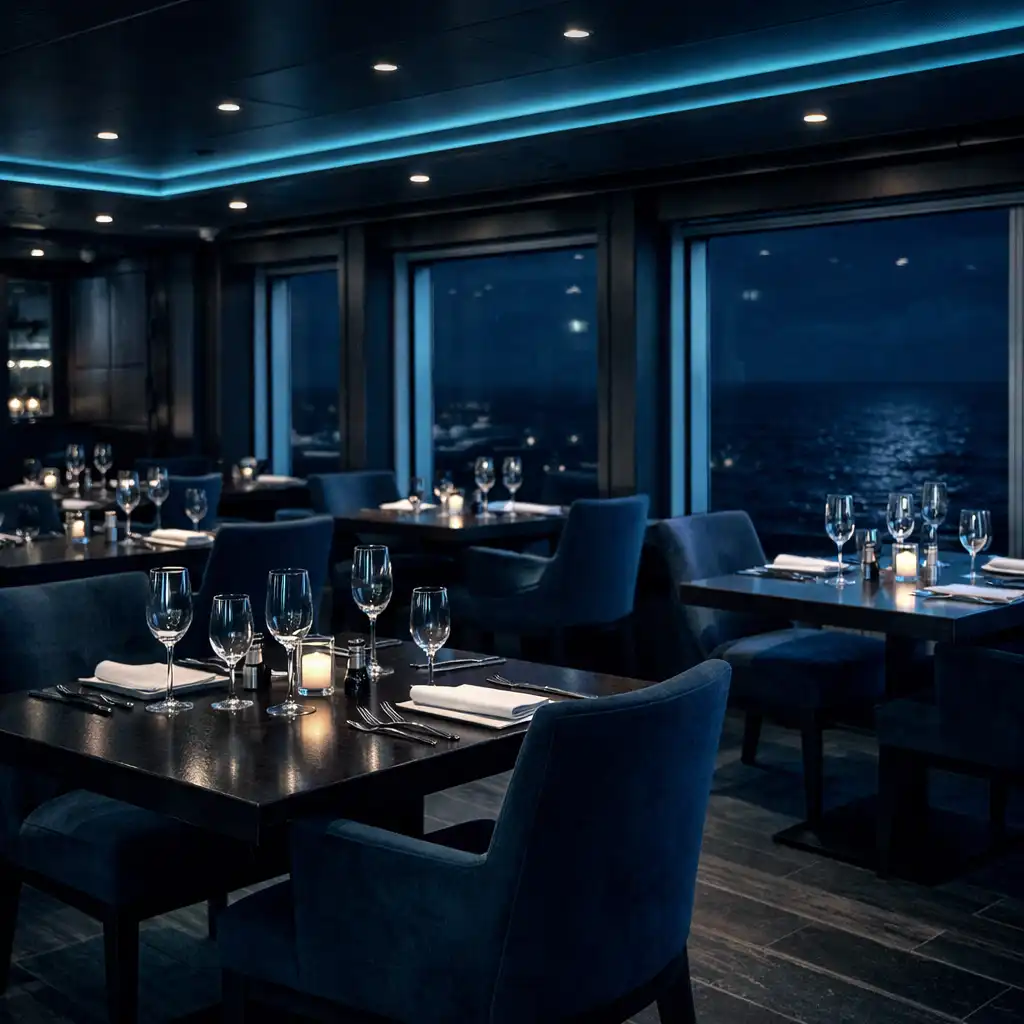
Premium cuts and classic sides in a club-like setting.
Trattoria-style pastas, pizzas, and regional dishes.
Sushi, teppanyaki, or pan-Asian small plates.
Bistro classics with attentive, formal service.
43°32′S 172°38′E — CHRISTCHURCH
The buffet is the most flexible dining option, open for breakfast, lunch, and dinner with a wide variety of dishes. It is ideal for families and those who prefer to eat quickly or sample many items. Quality is generally good but can be inconsistent; avoid peak times for a calmer experience. Buffets often feature themed nights such as Italian or seafood, and some ships have action stations where chefs cook to order.
Most ships offer some form of late-night dining, from 24-hour cafes to limited room service menus. Pizza, sandwiches, and desserts are common. Check your ship's daily program for hours, as they can vary. Room service may be free or have a per-order fee, and beverage stations for coffee and tea are usually available around the clock.
41°17′S 174°46′E — WELLINGTON
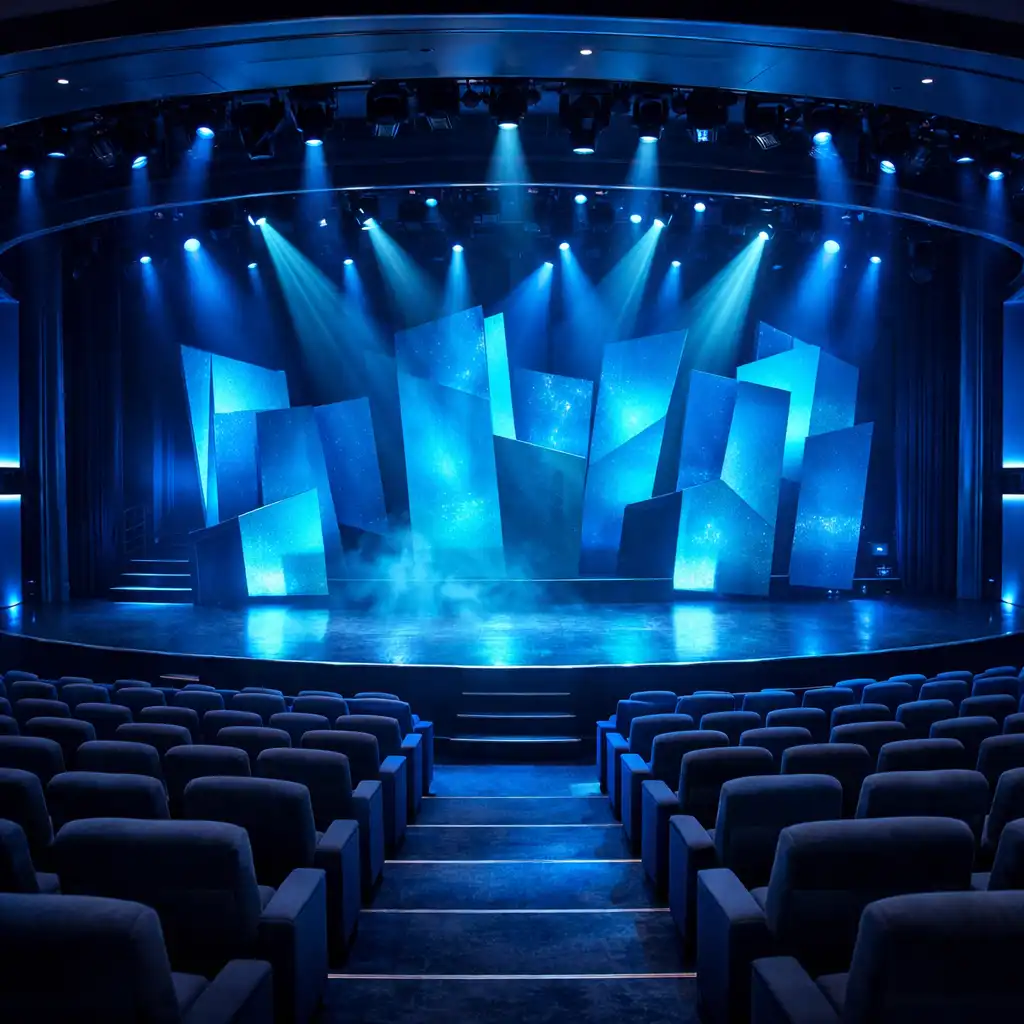
Most ships feature a main theater with nightly shows, including Broadway-style productions, comedians, magicians, and live music. Shows are usually included in the fare, but some lines offer premium seating or dinner-show packages for an extra fee. Production shows are often high-energy with elaborate costumes and sets, while guest entertainers vary by sailing. Some ships have secondary venues like piano bars or jazz clubs, and reservations may be required for popular shows on large ships.
Beyond the theater, ships offer a range of evening venues. Nightclubs and dance floors cater to late-night crowds, while quieter lounges provide a place for conversation and cocktails. Many ships also have outdoor movie screens and deck parties. Nightclubs often open after 10pm and stay open late, piano bars and wine bars offer a more relaxed atmosphere, and outdoor movie nights are popular on warm-weather cruises. Deck parties with live music are common on Caribbean and South Pacific itineraries.
45°52′S 170°30′E — DUNEDIN
Dress codes vary by cruise line and venue. Most nights are smart casual in the main dining room, with a few formal or elegant nights per cruise. Specialty restaurants may have a slightly higher standard. Casual venues like the buffet have no dress code beyond basic coverage. Pack versatile clothing that can be dressed up or down. A dark blazer or wrap dress can work for both smart casual and formal nights. Remember that air conditioning can make venues chilly, so bring a light layer.
Buffet, pool grill, and daytime venues. No swimwear inside.
Collared shirts, slacks, dresses, or skirts. No shorts or swimwear in the dining room.
Suits, ties, cocktail dresses, or evening gowns. Some lines allow dress shirts without jackets.
43°32′S 172°38′E — CHRISTCHURCH
Most cruise lines can accommodate common dietary needs such as vegetarian, vegan, gluten-free, and food allergies, but it is essential to inform them in advance. You can usually note dietary requirements when booking or by contacting the cruise line before sailing. Vegetarian options are widely available in all venues, and vegan and gluten-free menus are offered on many ships. Food allergies should be communicated to the dining staff on day one, and kosher and halal meals may be available with advance notice.
Once onboard, speak with the maître d' or head waiter in the main dining room about your dietary needs. They can help you navigate menus and may prepare special dishes. In the buffet, look for labeled items or ask staff about ingredients. Some lines have dedicated dietary coordinators, and specialty restaurants can often accommodate requests with notice. Carry a card explaining your allergies in English, and be patient because special meals may take longer to prepare.
Widely available in all venues, including the main dining room and buffet.
Offered on many ships with advance notice. Ask for the special menu.
Communicate on day one and carry a written allergy card.
May be available with advance notice; confirm before sailing.
36°51′S 174°46′E — AUCKLAND
A little planning can enhance your dining and nightlife experience. Review the daily program each morning, make reservations for popular venues, and consider dining at off-peak times to avoid crowds. Book specialty restaurants early in the cruise, arrive at the theater 15–20 minutes early for good seats, and take advantage of lunch at specialty venues for lower prices. Pace yourself; there is no need to try everything in one night.
Dining and drinks can add up quickly. Set a daily budget for extras like specialty dining and cocktails. Consider a beverage package if you plan to drink several paid beverages daily, but do the math first. Track your onboard spending via the ship's app or account, take advantage of included options to save money, and watch for happy hours and drink specials. Remember that gratuities may be added to bar bills.
Budgeting tip: A daily allowance for extras helps you enjoy the cruise without a surprise bill at the end.
41°17′S 174°46′E — WELLINGTON
It depends on the ship and dining format. Flexible dining may require reservations, while traditional seating does not.
Yes, most ships offer vegetarian choices in all venues, and vegan options are increasingly common.
Typically suits or cocktail dresses, but some lines are more relaxed. Check your cruise line's guidelines.
Many ships offer 24-hour room service, but some charge a fee. Check your ship's policy.
Usually not, unless you have a beverage package. Water, tea, and coffee are typically included in the fare.